




Mold Design for Concrete Blocks: Tolerances, Materials, and Surface Finish
Quick Answer
Mold design is the single most important factor determining concrete block quality, dimensional consistency, and production efficiency. Precision-engineered molds manufactured from high-grade alloy steel—such as 42CrMo or Cr12MoV—with carburized heat treatment achieving HRC 58–62 surface hardness and HRC 35–40 core toughness deliver service lives of 80,000 to over 100,000 cycles under normal production conditions . Critical tolerances include cavity dimension deviation of ±0.12 to ±0.3 mm, height deviation of ±0.5 mm, and unilateral clearance between presser foot and cavity of 0.2–0.4 mm . Surface finish of Ra 1.6 or better ensures smooth concrete flow and clean demolding, while 3–5 mm corner radii eliminate stress concentration points that cause cracks . For procurement managers and production engineers, understanding these parameters is essential for selecting molds that deliver consistent block quality and minimize downtime.
1. User Search Intent Analysis
Who Is Searching and Why?
| Audience | Primary Intent | Key Concerns |
| Procurement Managers | Commercial/Decision | Mold lifespan, cost per cycle, supplier reliability, documentation |
| Production Engineers | Technical/Informational | Tolerances, material grades, wear resistance, integration with existing machines |
| Block Plant Managers | Operational/Problem-Solving | Reducing downtime, maintaining dimensional consistency, mold changeover speed |
| Quality Control Staff | Informational/Procedural | Inspection criteria, acceptable tolerances, defect prevention |
Key Search Intent Categories
Technical Specification: Understanding material grades, hardness requirements, and dimensional tolerances that determine mold performance Supplier Evaluation: Assessing mold manufacturers based on quality documentation, compatibility, and after-sales support Process Optimization: Selecting mold designs that reduce demolding stress, extend tool life, and improve block quality Cost Management: Balancing initial investment against mold lifespan and maintenance costs
2. Key User Questions
Q: What steel grades are best for concrete block molds?
Premium alloy steels such as 42CrMo, Cr12MoV, and 9CrSi are industry standards for concrete block molds . These materials offer excellent wear resistance and maintain their shape under the stresses of high-frequency vibration and compaction. For highly abrasive mixes containing sharp sand or recycled aggregates, tool steel grades like Cr12MoV provide superior durability .
Q: What hardness should a quality mold achieve?
Carburized heat treatment creates a wear-resistant surface at HRC 58–62 while retaining a tough, impact-resistant core at HRC 35–40 . This dual structure allows the hard surface to resist abrasion from aggregates while the tough core absorbs vibration and prevents cracking. The carburized layer thickness of 1.3–1.5 mm ensures sufficient depth for multiple re-polishing cycles .
Q: What tolerances are critical for dimensional consistency?
Key tolerances include: cavity dimension deviation of ±0.12 to ±0.3 mm, height (filling depth) deviation of ±0.5 mm, unilateral clearance between presser foot and mold cavity of 0.2–0.4 mm, and overall plate flatness of ≤0.5 mm . Achieving ±0.1 mm tolerance on critical dimensions represents the highest standard of manufacturing precision, ensuring pavers fit together seamlessly and interlocking blocks align perfectly .
Q: How does surface finish affect block quality?
A smooth cavity surface (Ra 1.6 or better) reduces friction, prevents sticking, and ensures blocks release cleanly without tearing or distortion . It also minimizes wear on the mold over time, preserving dimensional stability. Rough surfaces impede concrete flow, causing air pockets and inconsistent density .
Q: What design features extend mold life?
Key design features include: 3–5 mm corner radii to eliminate stress concentration points and prevent crack propagation ; proper draft angles (typically 1–3 degrees) for smooth demolding ; and reinforced corners at high-stress points . Modular inserts allow high-wear components to be replaced quickly, reducing downtime from hours to minutes .
3. The Mold Design Framework
Material Selection and Heat Treatment
The choice of steel and its heat treatment directly determines mold lifespan and dimensional stability. Premium alloy steels—42CrMo, Cr12MoV, and 9CrSi—are selected for their excellent wear resistance and ability to maintain shape under production stresses . The critical process is carburizing heat treatment. This creates a hard, wear-resistant surface (HRC 58–62) while retaining a tough, impact-resistant core (HRC 35–40) . The hard shell resists abrasion from aggregates that would otherwise erode cavity walls and increase dimensions over time. The carburized layer thickness of 1.3–1.5 mm is crucial—once this hard layer is worn through, the mold rapidly loses dimensional accuracy . Heat-treated steel mold assembly parts provide a useful mold life of 80,000 to 120,000 cycles under normal production conditions . Manufacturers typically provide hardness maps and raw material certificates (PMI) with each mold set to ensure traceability .
Dimensional Tolerances
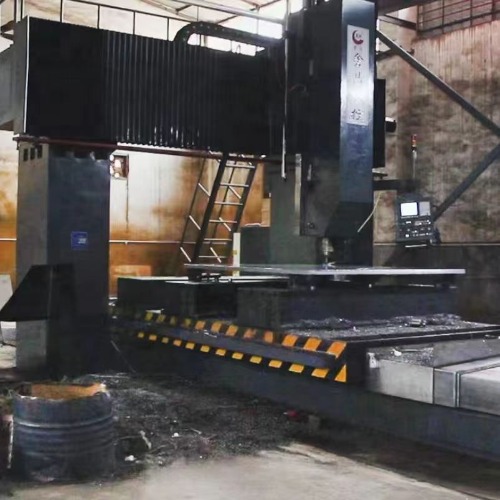
Achieving and maintaining tight tolerances across thousands of production cycles represents the highest standard of manufacturing precision . Critical tolerances include: Cavity Dimension Deviation: ±0.12 to ±0.3 mm—directly sets the baseline for block size accuracy. Tighter tolerances in the mold yield tighter tolerances in the block Height Deviation: ±0.5 mm—controls block thickness Unilateral Clearance: 0.2–0.4 mm—prevents concrete leakage around the presser foot, which causes dimensional defects and increased wear Mold Plate Flatness: ≤0.5 mm—ensures uniform compaction; uneven plates lead to blocks of varying thickness CNC machining is essential for achieving these tolerances. Modern molds use wire cutting processes to set cavity geometry with consistent clearances . Dimensional drift is minimized by stress-relief after heat treatment .
Surface Finish and Design Features
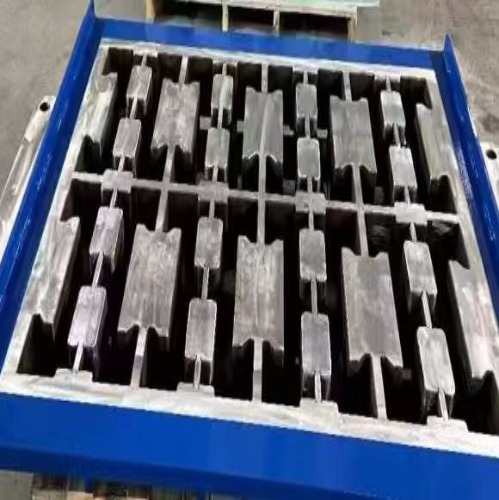
Surface Finish: Cavity surfaces are CNC machined to Ra 1.6 or better . This smooth finish reduces friction, prevents sticking, and ensures blocks release cleanly without tearing or distortion. A rough surface impedes concrete flow, causing air pockets and inconsistent density . Corner Radii: All internal corners feature a 3–5 mm radius to eliminate stress concentration points . Sharp 90-degree corners are weak points—they trap air, create voids, and concentrate stress that initiates cracks . Proper radii improve both block integrity and mold life. Draft Angles: Proper draft angles (typically 1–3 degrees) facilitate smooth demolding. Without them, friction from stripping the block can deform the product and accelerate mold wear . Vent Channels: Strategic exhaust grooves prevent "air holes" (voids) on block surfaces, ensuring a premium finish .
Compatibility and Integration
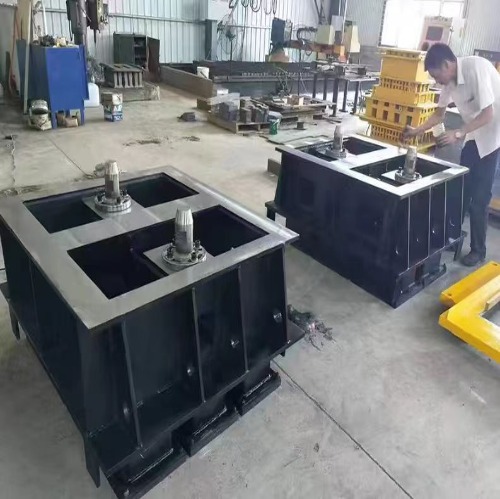
Quality molds share bolt patterns, guiding pin placements, and pallet geometry common to major machine systems like Hess, Masa, Tiger, and QGM/Zenith . This allows direct replacement without retooling or machine downtime. Each block machine has unique mounting dimensions, pin positions, and stripping clearances that must be verified .
4. Practical Considerations for Buyers
Quality Documentation
Reputable mold manufacturers provide comprehensive documentation with each mold set : Raw material certificates (PMI) Hardness maps following heat treatment Dimensional inspection reports (CMM or equivalent) Fit checks (blue-prints or contact checks) This documentation ensures risk-free commissioning and supports supplier traceability.
After-Sales Support
Look for suppliers offering : 12-month defect warranty Spare insert kits for common wear patterns Re-hardening or refacing services to extend tool life Remote support during first-block runs or tool changeovers
5. FAQ
1. What steel grade is best for concrete block molds?
Premium alloy steels such as 42CrMo, Cr12MoV, and 9CrSi are industry standards. For abrasive mixes with sharp sand or recycled aggregates, tool steel like Cr12MoV is recommended .
2. How long should a quality mold last?
Heat-treated steel molds typically deliver 80,000 to over 100,000 cycles under normal production conditions. Some advanced coatings can extend this further .
3. What hardness should a mold achieve?
The wear surface should reach HRC 58–62, while the core should remain at HRC 35–40 for impact resistance. This combination is achieved through carburizing heat treatment .
4. What tolerances ensure consistent block dimensions?
Critical dimensions should be held to ±0.12 to ±0.3 mm, height to ±0.5 mm, with unilateral clearance of 0.2–0.4 mm and plate flatness of ≤0.5 mm .
5. Why are corner radii important in mold design?
3–5 mm corner radii eliminate stress concentration points that cause cracks. Sharp 90-degree corners trap air, create voids, and concentrate stress that initiates cracking .
6. What surface finish should a quality mold have?
Cavity surfaces should achieve Ra 1.6 or better. A smooth surface reduces friction, prevents sticking, ensures clean demolding, and preserves dimensional stability over time .
7. How do I verify mold quality before purchase?
Request documentation including raw material certificates, hardness maps, dimensional inspection reports (CMM), and fit checks. Also verify compatibility with your machine's mounting dimensions and pin positions .
If you want to get more information about our products, you can click www.yxbrickequipment.com